“Our relationship with NOF spans many years, and throughout that time, it has supported us in building connections, accessing opportunities, and remaining aligned with the direction of the industry.”
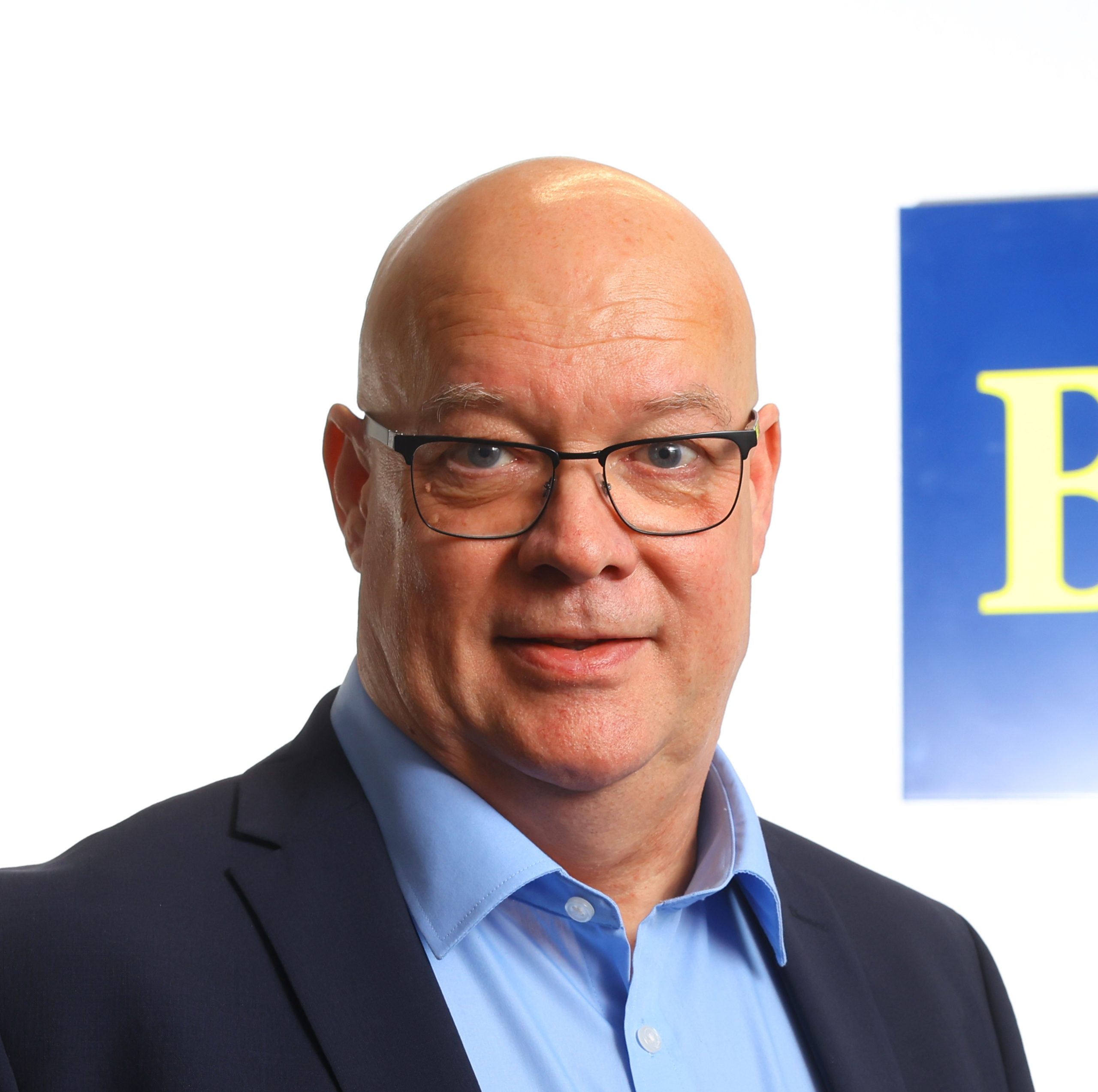
David Alderson
Group Finance Director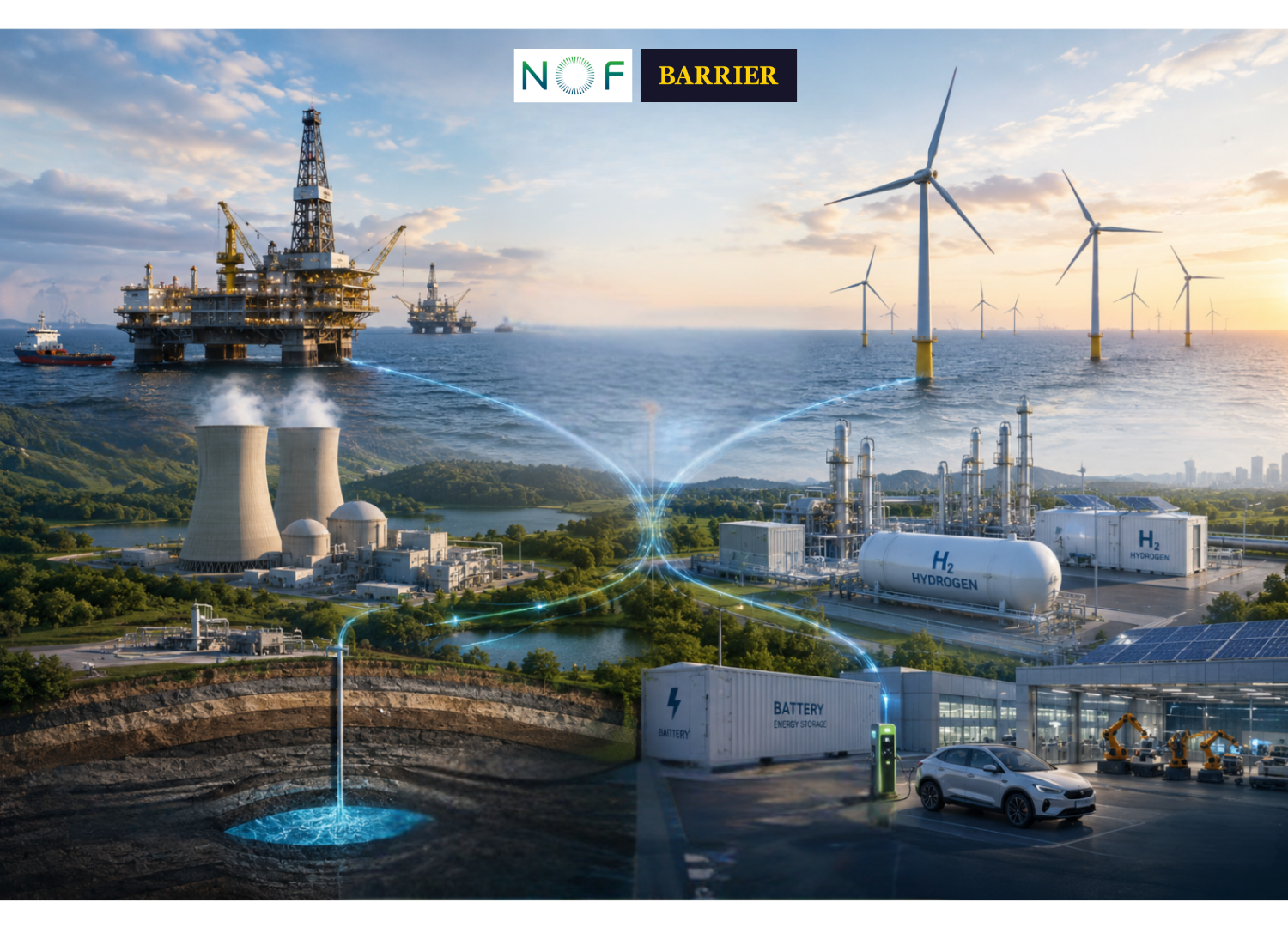
The UK energy sector has never stood still.
From the early days of oil and gas through to today’s focus on offshore wind, hydrogen and wider energy transition, one constant has remained: the importance of strong, collaborative supply chains.
For organisations such as Barrier Group and NOF, partnership has not simply been a feature of the industry, but a fundamental part of how it has evolved.
Both Barrier Group and NOF were established at a time when the North East was emerging as a key hub for offshore oil and gas. Since then, the sector has undergone a significant transformation, and both organisations have adapted alongside it. That shared journey underpins the strength of the relationship today.
Growing with the industry
When NOF was established in 1988 as the Northern Offshore Federation, there was limited support available to businesses operating within the offshore supply chain. It was one of the first organisations of its kind, created to connect companies, support business development and strengthen the region’s industrial base.
Barrier Group, founded just over a decade earlier, was already building its reputation within the oil and gas sector. As the industry expanded, so too did the need for greater collaboration, not only between contractors and clients, but across the wider supply chain.
Over time, both organisations have evolved. What began as a sector focused primarily on oil and gas has developed into a broader energy landscape, encompassing offshore wind, nuclear and emerging technologies such as hydrogen, CCUS and electrification.
Throughout this period of change, the relationship between Barrier and NOF has remained consistent, built on a shared understanding of the industry and a mutual commitment to supporting its development.
A partnership built over time
Long-standing partnerships like the one between Barrier Group and NOF are established through shared experience, sustained engagement and a clear alignment of purpose.
Barrier Group’s involvement with NOF spans several decades and includes significant contributions at board level. Robert Bowles, former Managing Director of Barrier Group, played an active role within the organisation for many years, serving on the NOF board from 2007 to 2018 and supporting its transition into its current structure.
His contribution, and that of the wider business, reflects a commitment not only to individual business growth but to the development of the wider supply chain.
David Alderson, Group Finance Director at Barrier Group, said: “Partnership has always been a fundamental part of how we have developed as a business. Our relationship with NOF spans many years, and throughout that time, it has supported us in building connections, accessing opportunities, and remaining aligned with the direction of the industry.”
“As the sector continues to evolve, particularly with the growth of offshore wind and the wider energy transition, that collaborative approach becomes increasingly important. No single organisation can deliver these projects in isolation, and strong, well-connected supply chains will be critical to meeting future demand.”
NOF has played an important role in facilitating these connections, supporting businesses through access to industry insight, opportunities and a strong network across the energy sector.
In turn, organisations such as Barrier Group have contributed real-world experience, insight and sector knowledge, helping to shape how that support evolves.
Supporting the next phase of growth
As the sector enters its next phase, particularly with the expansion of offshore wind, the importance of effective collaboration is becoming increasingly important.
The North East is once again at the centre of a significant industrial opportunity, with strong potential across offshore wind and wider energy transition projects.
The recently published 10 Year Vision and Strategy for North East England Offshore Wind highlights both the scale of that opportunity and the role the region’s supply chain will play in delivering it.
The strategy reinforces the region’s long-standing strengths in engineering, manufacturing and offshore capability, while setting out a clear direction for future growth across offshore wind and wider clean energy markets.
Joanne Leng MBE, Chief Executive of NOF, said: “The North East of England supply chain has a long history of supporting the UK’s oil & gas sector, and we are now entering another important phase of industrial growth as offshore wind and wider energy transition opportunities continue to present at pace.”
“The scale of what lies ahead reinforces the importance of collaboration across the supply chain. By bringing businesses together, sharing insights and creating connections, we can help ensure businesses of all sizes are well-positioned to play a role in delivering the next generation of energy industry projects, which will ultimately support the UK’s clean energy ambitions whilst creating jobs in industrial heartlands such as the North East of England ”
Barrier Group continues to be an active member of NOF, supporting events and engaging with the organisation’s services as part of its ongoing commitment to the sector.
Partnerships such as that between Barrier and NOF will continue to support this progress, helping businesses navigate change, identify opportunities and remain connected within an increasingly complex operating environment.
Looking ahead
The energy sector will continue to evolve, as it has done over the past four decades, but what will remain constant is the need for strong, collaborative partnerships that bring together expertise, opportunity and shared ambition.
For Barrier Group and NOF, their long-standing relationship reflects both the history of the sector and the requirements of its future. Clusters such as NOF and Energi Coast play a vital role in bringing the industry together, acting as the glue between businesses, supply chains and wider sector opportunities. As the sector moves forward, their role will be more important than ever.
As the industry continues to scale, particularly in areas such as offshore wind, partnerships built on trust, shared experience, and a commitment to collaboration will play an important role in shaping what comes next.